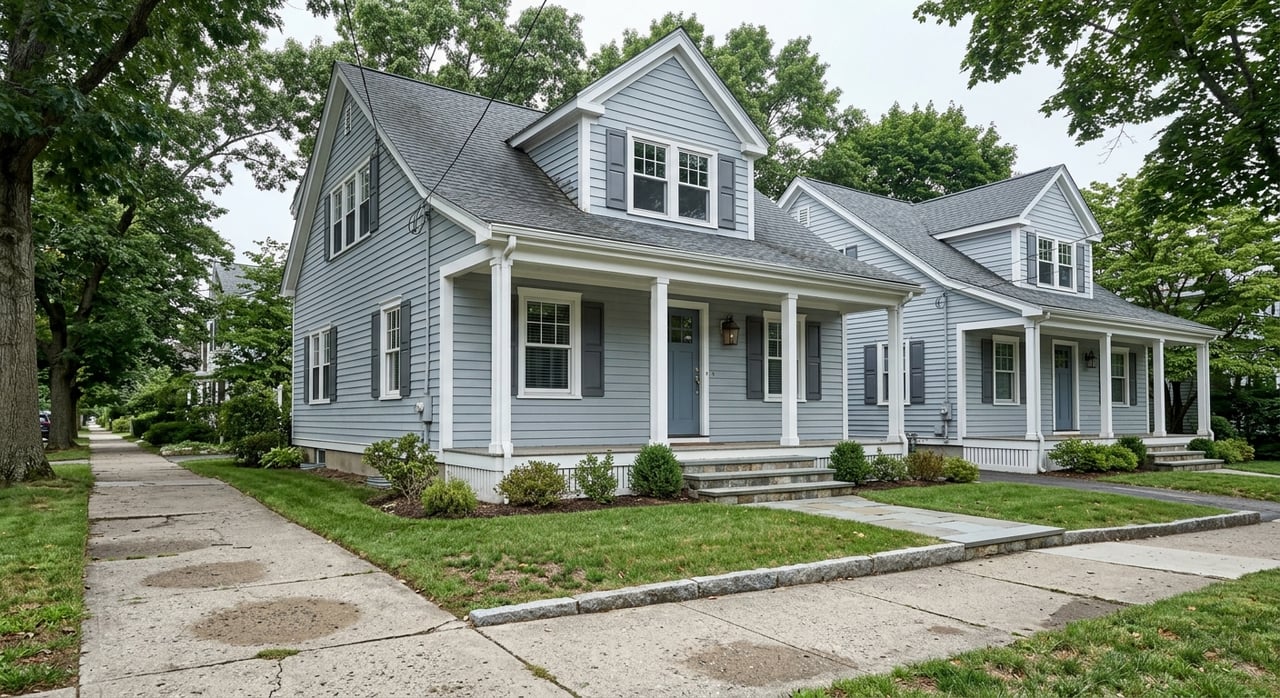
Why Buyers Choose This Walkable Jenkintown Suburb
May 21, 2026
May 21, 2026
Ever wish you could live in a suburb where grabbing coffee, heading to the post office, meeting friends, and catching a train did not always mean getting in the car? That is a big part of Jenkintown’s appeal. If you are looking for a Montgomery County town with a true day-to-day walking lifestyle, Jenkintown stands out for some very practical reasons. Let’s dive in.
A big reason Jenkintown feels so walkable is simple: it is compact. Jenkintown Borough is about 0.58 square miles and has roughly 4,500 residents, which creates a close-knit street pattern where many daily destinations are nearby.
The borough itself describes Jenkintown as a place where residents walk to stores, the post office, church, school, playgrounds, friends’ houses, and the central business district. That is not just marketing language. It is strong evidence that walking is built into everyday life here.
Because the borough is small, errands can feel more manageable than they do in spread-out suburbs. Instead of planning your whole day around driving, you may be able to combine a few stops into one short outing on foot.
Walkability works best when there is somewhere useful to walk to. In Jenkintown, the business district along York Road gives the borough a real center, not just a pass-through commercial strip.
The borough says downtown lends itself well to independent businesses, and it has also highlighted residents and visitors going uptown to enjoy shops and restaurants. SEPTA similarly describes Jenkintown as a place with shops, restaurants, bars, and an art scene, which reinforces the idea that downtown is active beyond business hours.
That matters if you are comparing towns in Montgomery County. A walkable place is not only about sidewalks. It is also about having everyday destinations close enough to make walking feel useful and natural.
The 600 block of West Avenue is another piece of the story. The borough has described it as a long-established business corridor, with some storefronts serving as staples of the district for decades.
For buyers, that kind of continuity can be appealing. It suggests Jenkintown’s downtown character comes from a long-running local business pattern, not from a short-lived burst of redevelopment.
A walkable town is about more than errands. It also needs places where people can gather, spend time, and enjoy community life.
Town Square helps fill that role in Jenkintown. The borough says it hosts year-round events, and the Recreation Board organizes activities like the Summer Music Series, chili cookoff, Scare on the Square, and the Holiday Tree Lighting Ceremony.
These kinds of events give people another reason to stay local and get around on foot. When a town center doubles as a community gathering place, walking becomes part of the lifestyle, not just a way to get from one point to another.
One of Jenkintown’s biggest advantages is that its walkability connects to regional transit. If you want a suburb with local convenience and access beyond town limits, this is where Jenkintown really separates itself.
SEPTA says Jenkintown-Wyncote Station is served by four Regional Rail lines: Lansdale/Doylestown, Warminster, Airport, and West Trenton. SEPTA also notes that Noble Station, also in Jenkintown, is served by the West Trenton Line.
That range of service gives residents practical commuting and travel options. You can enjoy a smaller borough setting while still having rail access for Center City trips and other destinations across the region.
SEPTA’s current project page says Jenkintown-Wyncote Station is being rebuilt under the Station Accessibility Program. The project includes high-level platforms, a pedestrian overpass with an elevator, and covered walkways, with construction listed from summer 2025 to winter 2027.
For residents, improvements like these can make transit access more convenient over time. In a town where walking and rail already work together, station upgrades are an important part of the bigger picture.
Jenkintown’s layout is also appealing because daily life is not limited to shopping and commuting. Schools and parks are part of the same close-to-home pattern.
The School District of Jenkintown says it serves about 700 students through Jenkintown Elementary School and Jenkintown Middle/High School. Borough materials also describe Jenkintown as a place where parents can walk children to school, which adds to the practical value of living in a compact borough.
On the recreation side, the borough points to Town Square, the George Perley Bird Sanctuary, and Cedar Street Moretti Park. The borough says Cedar Street Moretti Park includes native landscaping, an ADA walking path, and passive and active recreation uses.
When parks, schools, and downtown are all part of the same small footprint, you get a town where everyday routines can stay close to home. That is a major reason Jenkintown often feels more connected than larger suburban communities.
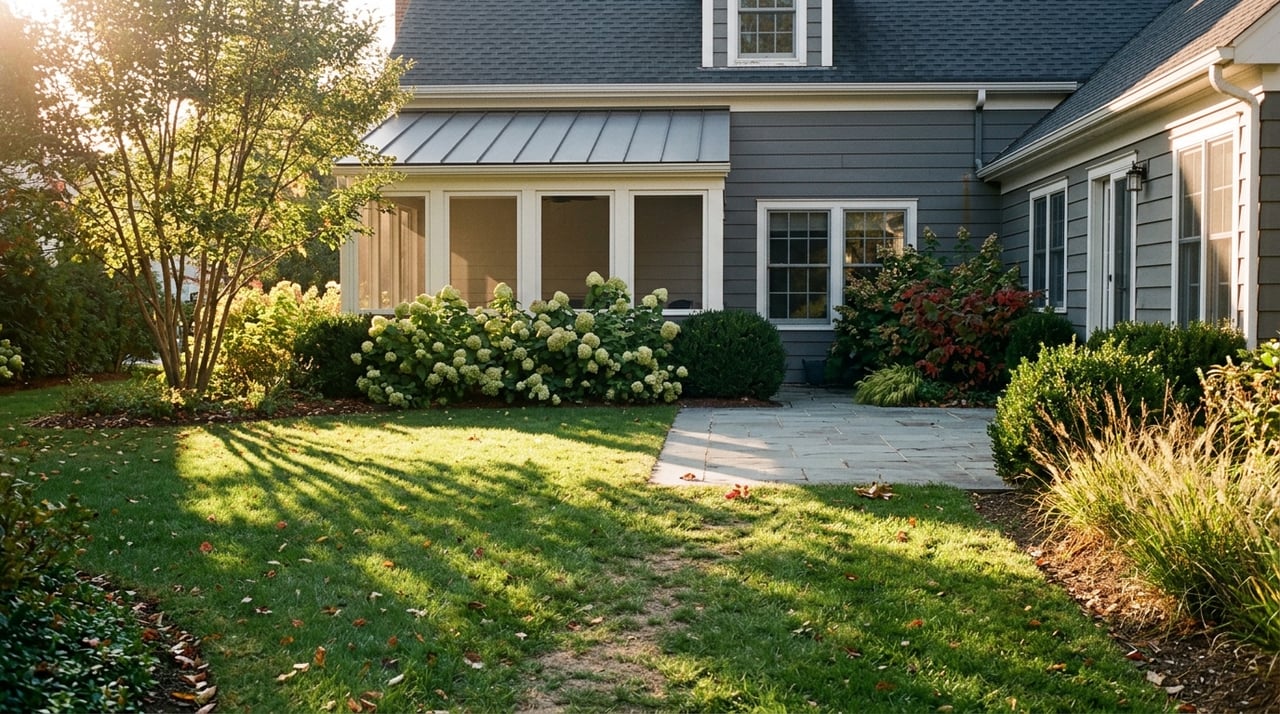
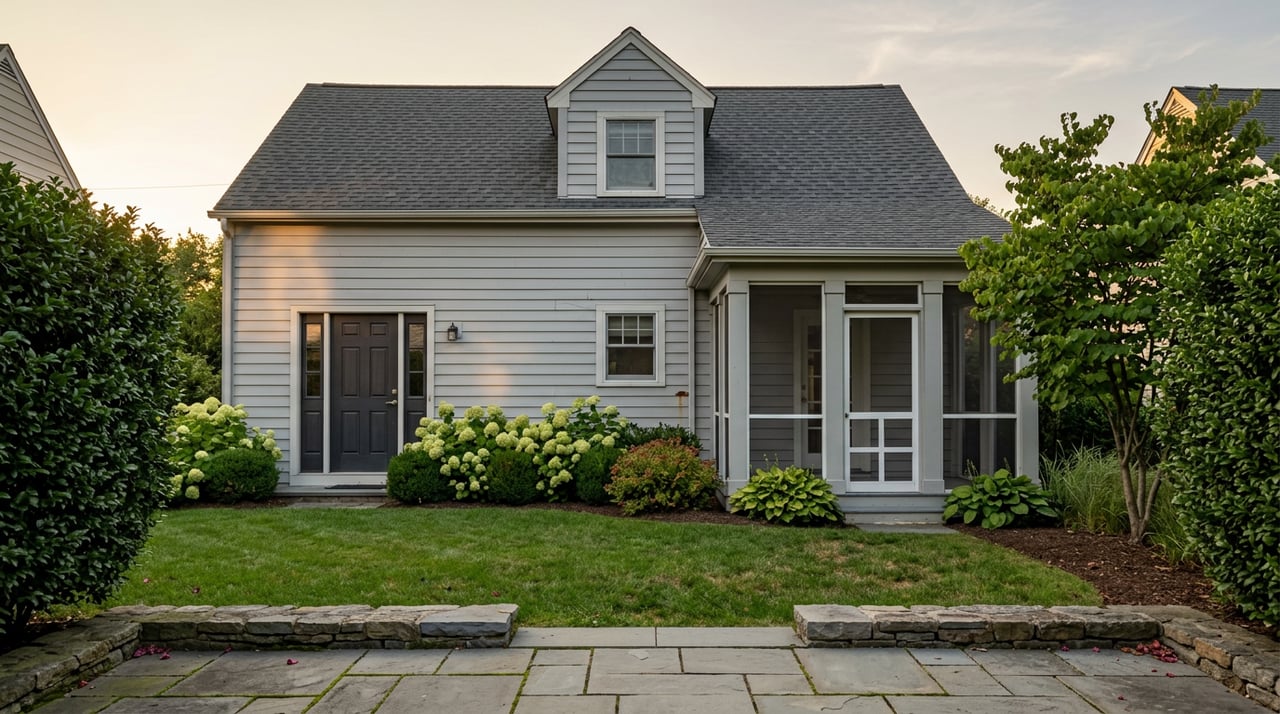
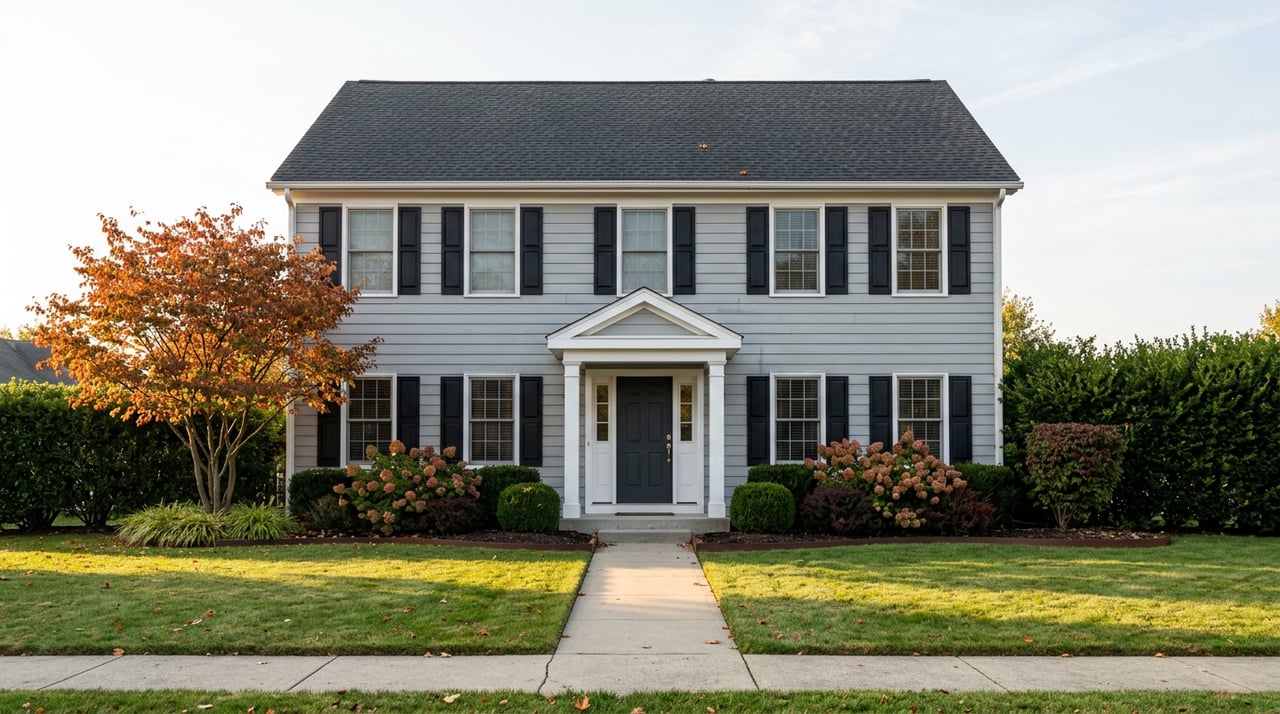
For many buyers, walkability is tied to how a place feels, not just where things are located. Jenkintown’s housing stock plays a big role in that experience.
The borough says the west side of York Road includes a traditional mix of detached single-family homes, duplexes, and row homes, while the east side includes larger detached single-family homes. The zoning code also recognizes attached townhomes, single-family detached homes, single-family semidetached or twin homes, and two-family detached or duplex homes.
That variety can create a more layered streetscape than you might find in newer subdivisions. It also gives buyers a range of housing types if they want a home in a borough setting rather than a more auto-oriented neighborhood pattern.
The borough further says that more than 60% of homes were built before 1939. Older housing does not automatically mean better, but it often aligns with the tighter block patterns and established streets that support a more walkable environment.
Plenty of communities talk about walkability, but Jenkintown has several pieces working together at once. It has a compact borough footprint, an active downtown, community gathering spaces, local parks, nearby schools, and strong Regional Rail access.
That combination is not easy to find. In many suburbs, you might get a charming main street without transit, or a train station without a truly usable downtown. Jenkintown offers both in a setting that the borough itself describes as pedestrian-oriented in everyday life.
If you are a buyer looking for an older, human-scale town with useful daily walkability, Jenkintown deserves a close look. If you are a seller, this same lifestyle story can also be a meaningful part of how your home stands out to the right buyers.
If you are thinking about buying or selling in Jenkintown or nearby Montgomery County neighborhoods, Michael Newns can help you understand how local lifestyle, housing stock, and market conditions fit your goals.
Get assistance in determining current property value, crafting a competitive offer, writing and negotiating a contract, and much more. Contact me today.