Getting Your Oreland Home Ready To List
June 18, 2026
June 18, 2026
If you want your Oreland home to stand out, the work starts before the listing goes live. In a market with 13 active listings and about 37 days on market, buyers have options, and first impressions matter. The good news is that you do not need a full renovation to make a strong impact. With the right prep plan, you can clean up distractions, handle key repairs, and launch with more confidence. Let’s dive in.
Oreland is part of Springfield Township in southeastern Montgomery County, and township history materials describe it as an established residential suburb of Philadelphia. It is also a place with a high owner-occupied housing rate, which means many homes are lived in long term and often carry years of personal touches, deferred maintenance, and accumulated belongings.
That is exactly why listing prep matters. When your home is clean, simplified, and well maintained, buyers can focus on the space itself instead of the to-do list they think they are inheriting.
Before you think about bigger projects, focus on the items that show up right away in photos, showings, and walk-throughs. Freddie Mac recommends deep cleaning, decluttering, depersonalizing, repairing small visible issues, and staging.
These steps may sound simple, but they make a big difference. They help your home feel cared for, easier to picture living in, and more move-in ready.
A true listing clean goes beyond everyday tidying. Buyers notice dust on baseboards, smudges on windows, soap film in bathrooms, and grime in kitchen corners.
Pay close attention to high-visibility areas like:
A clean home signals that the property has been maintained. That can shape how buyers view everything else.
Decluttering is not just about making your home look neat. It also makes rooms feel larger and helps photography look cleaner and brighter.
Focus on removing extra furniture, overfilled shelves, countertop appliances, storage-bin stacks, and anything that makes a room feel crowded. Closets, mudrooms, laundry areas, and garages matter too, because buyers open those doors.
You want buyers to picture their life in the home. That is harder to do when walls are filled with personal photos, highly specific decor, or collections that dominate a room.
The goal is not to strip out all personality. It is to create a neutral, welcoming setting that feels calm and easy to imagine.
Minor defects can create outsized concern during showings. A dripping faucet, sticking door, cracked outlet cover, loose handrail, or missing caulk line may seem small, but buyers often read those details as signs of bigger deferred maintenance.
Freddie Mac specifically recommends repairing small visible issues before listing. In many cases, these are the best projects to tackle first because they are affordable, visible, and relatively quick to complete.
Start with the items buyers are most likely to notice right away:
Low-cost fixes often deliver more value than major cosmetic overhauls. If your home already has good bones, polishing the condition can do more for your launch than starting a large remodel right before listing.
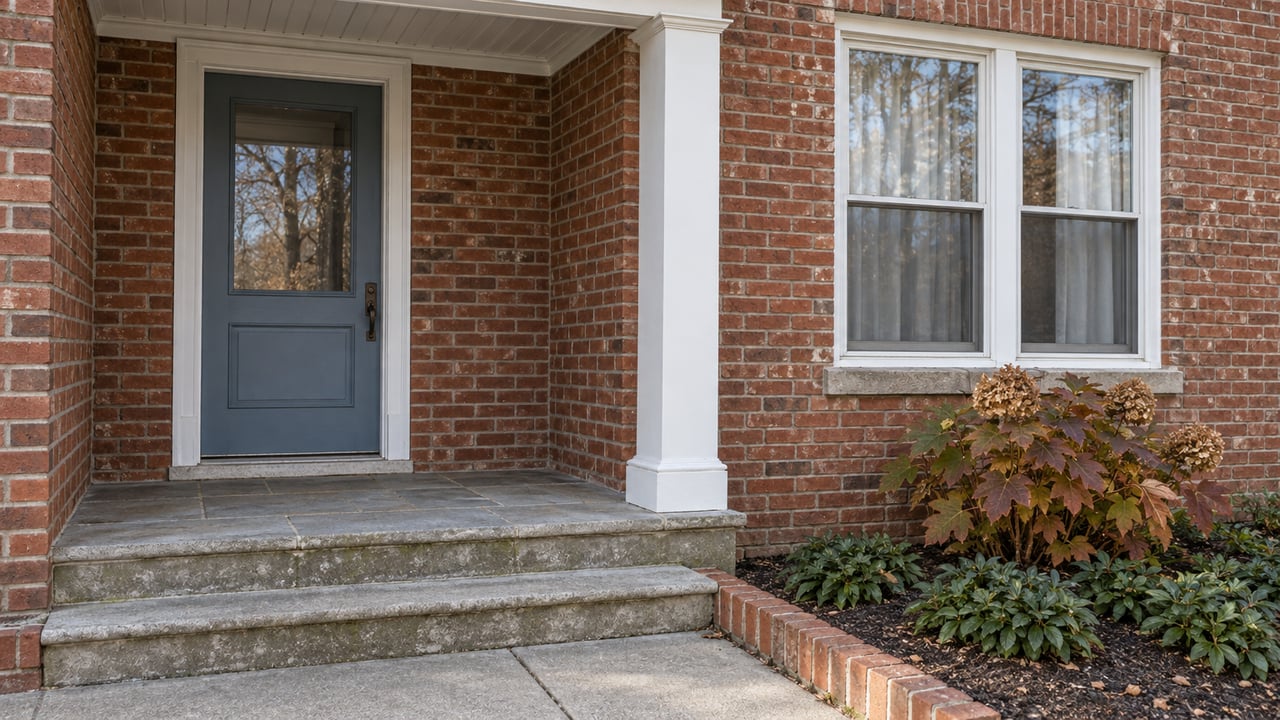
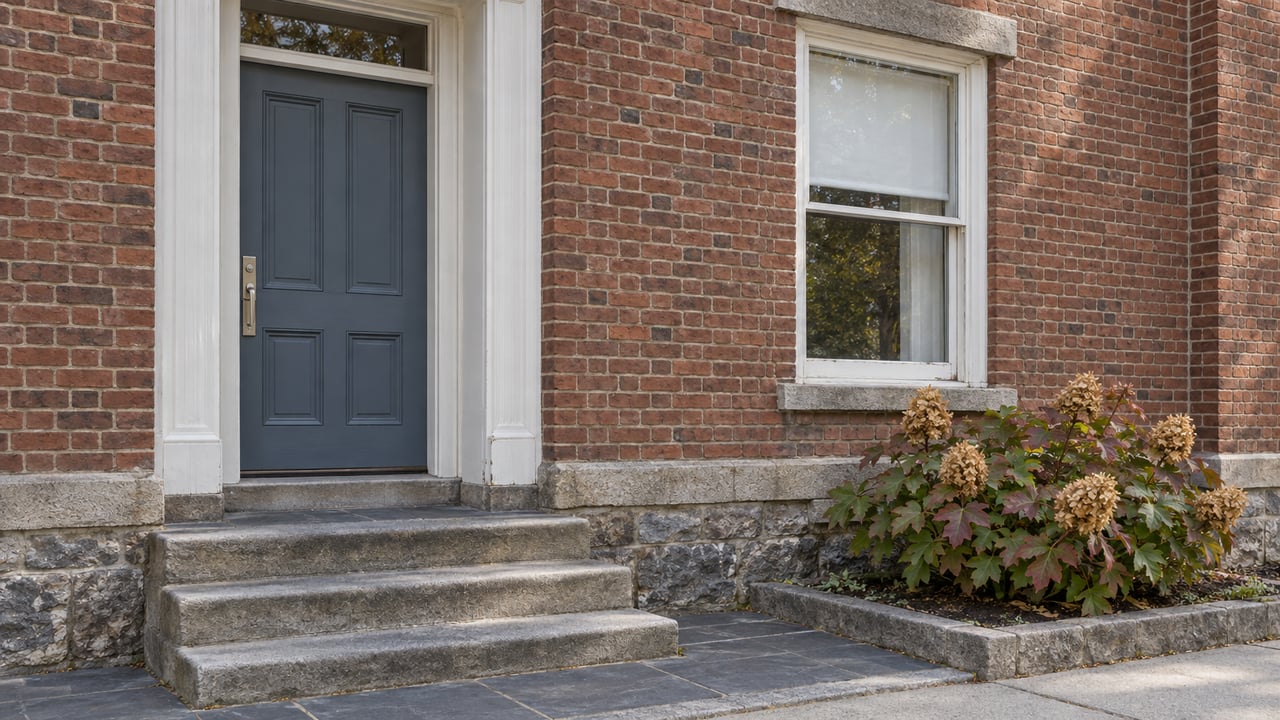
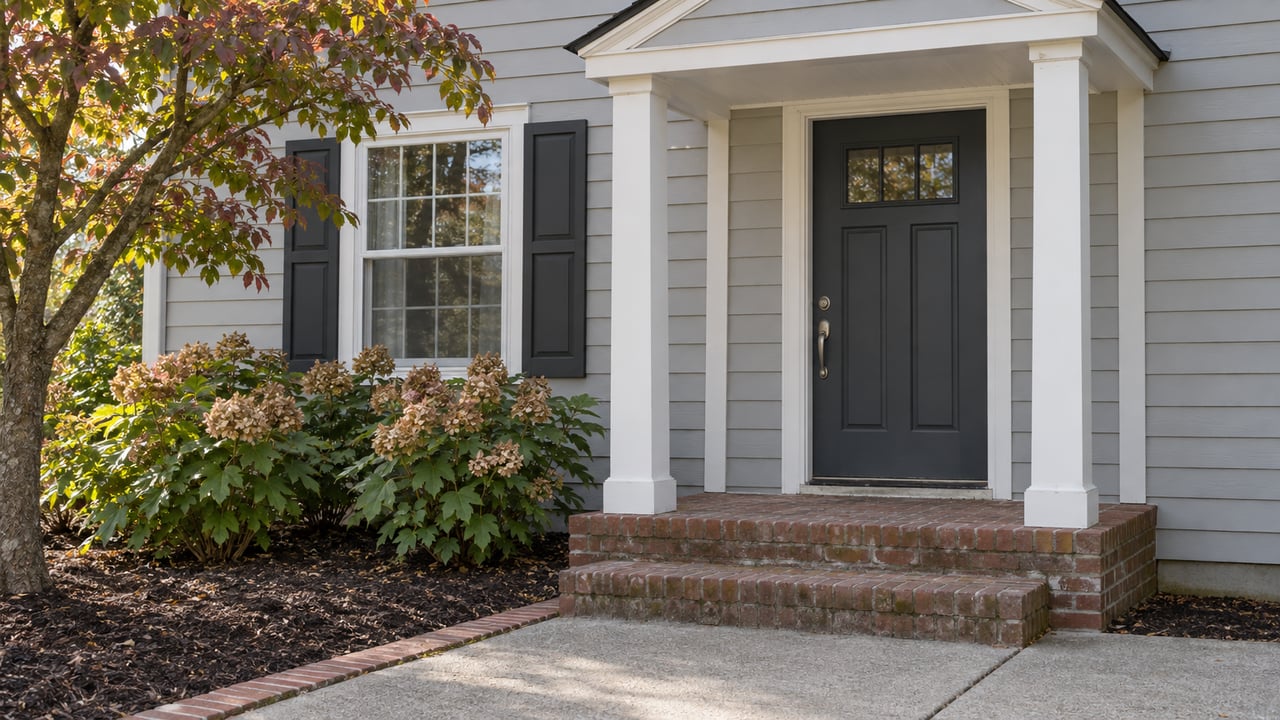
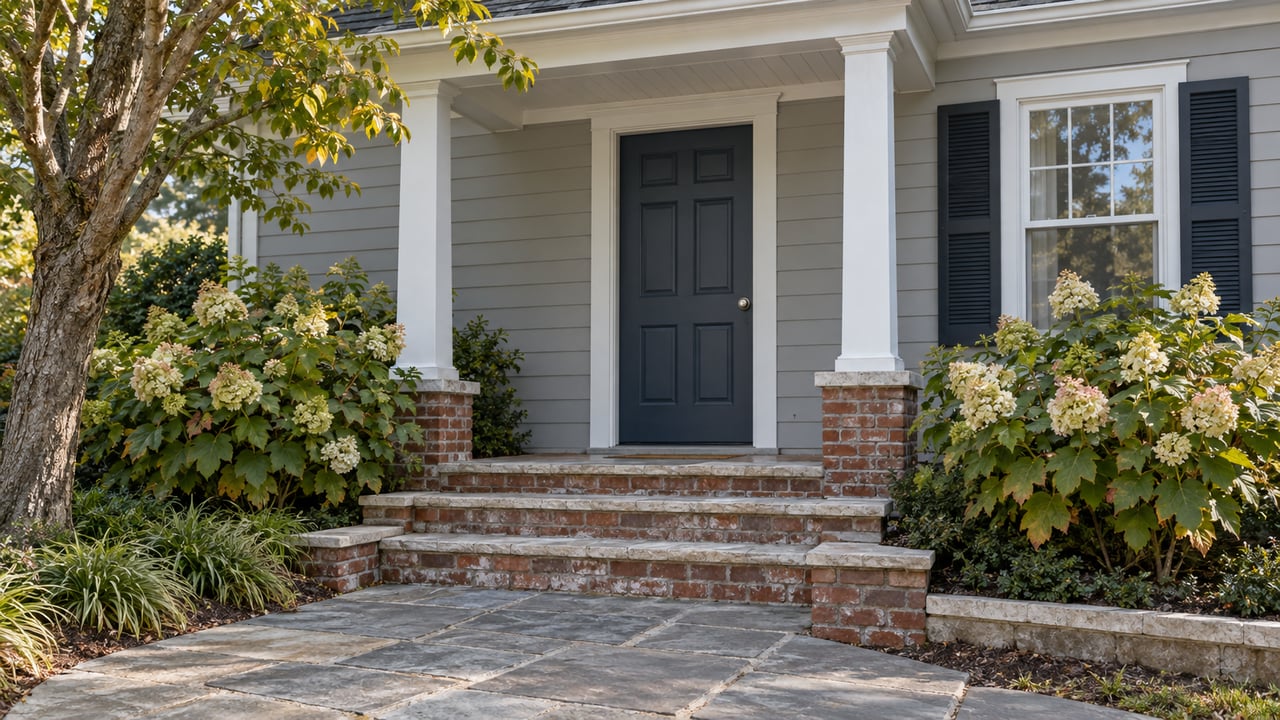
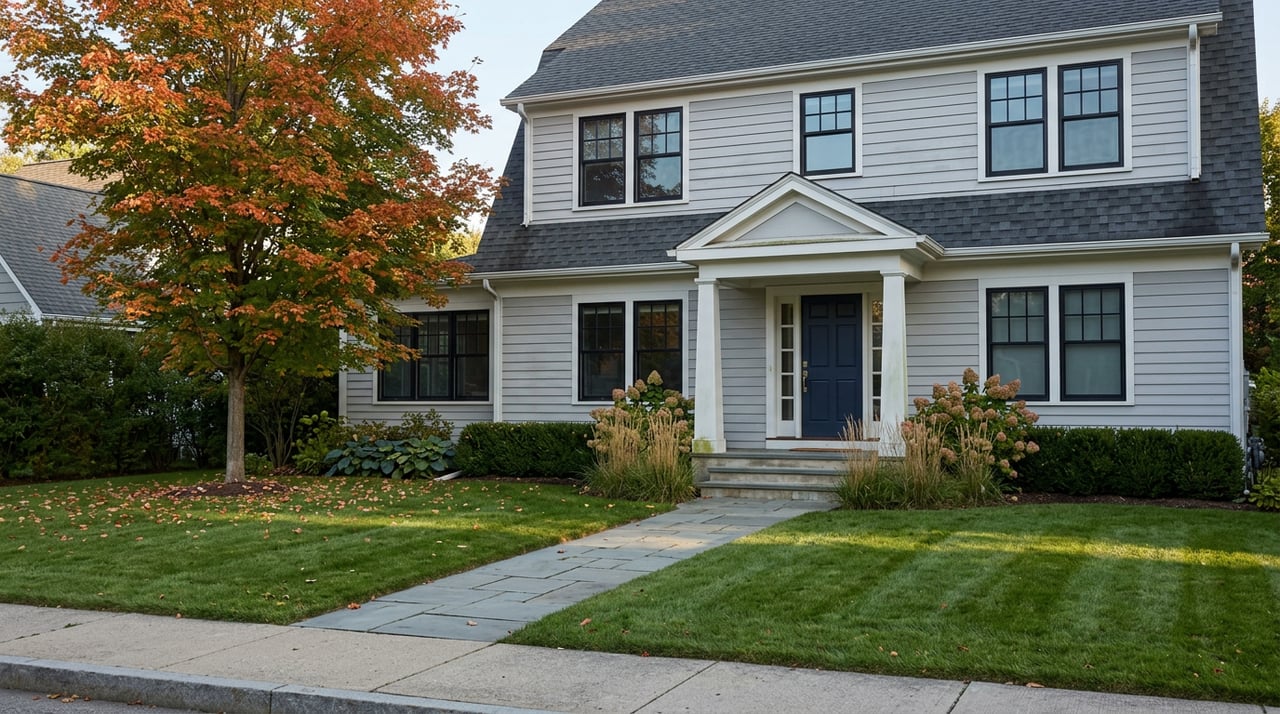
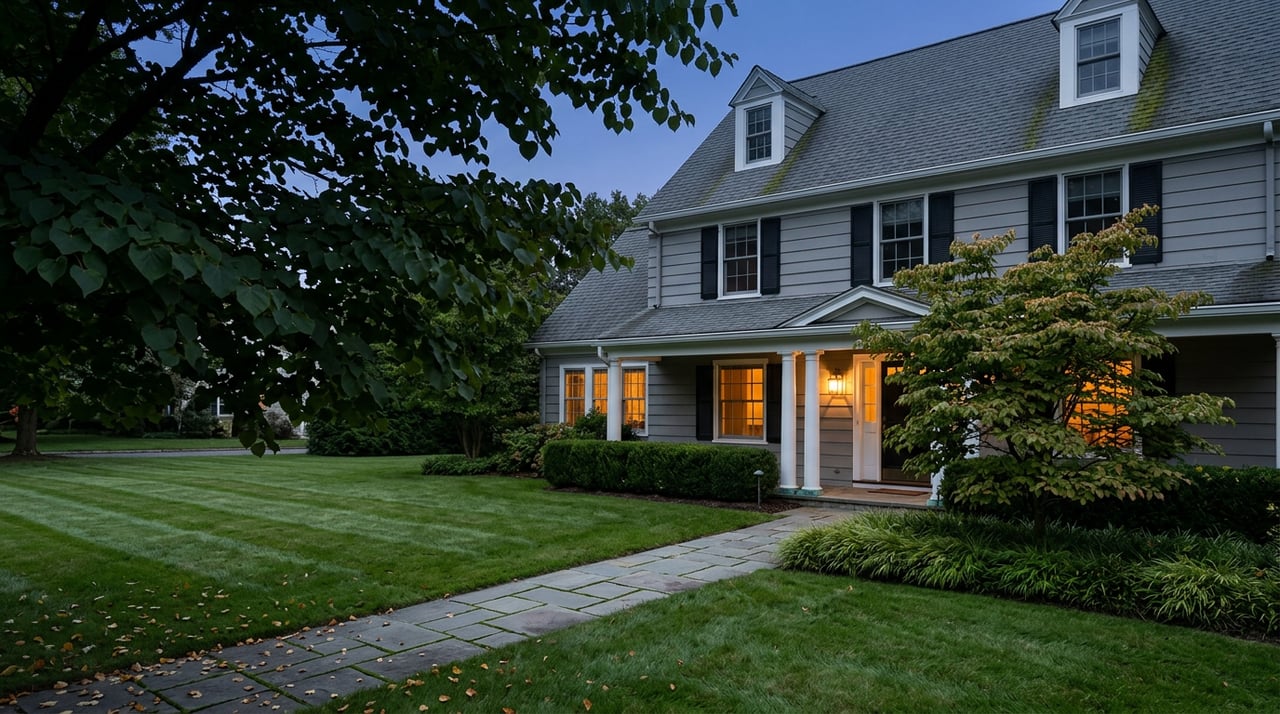
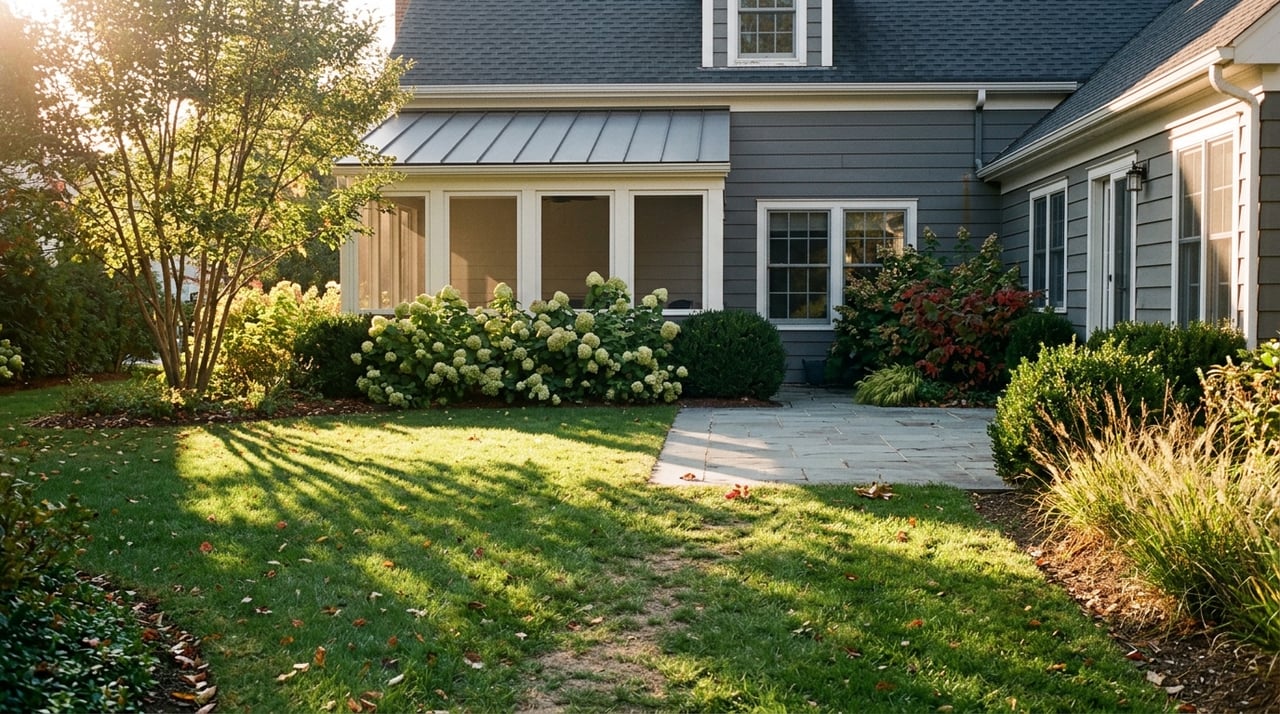
Your exterior sets the tone before a buyer even steps inside. Freddie Mac highlights curb appeal improvements such as fresh mulch, flowers, a tidy lawn, and brighter lighting.
In Oreland, where established homes and mature landscaping are part of the setting, exterior upkeep can be especially important. A neat front walk, trimmed plantings, and a clean entry can make the home feel more inviting from the start.
Springfield Township offers practical property-maintenance guidance that lines up well with listing prep. Homeowners are specifically told to:
This is a smart checklist to review before photos and showings. It helps you address both appearance and safety concerns that could come up once buyers start visiting.
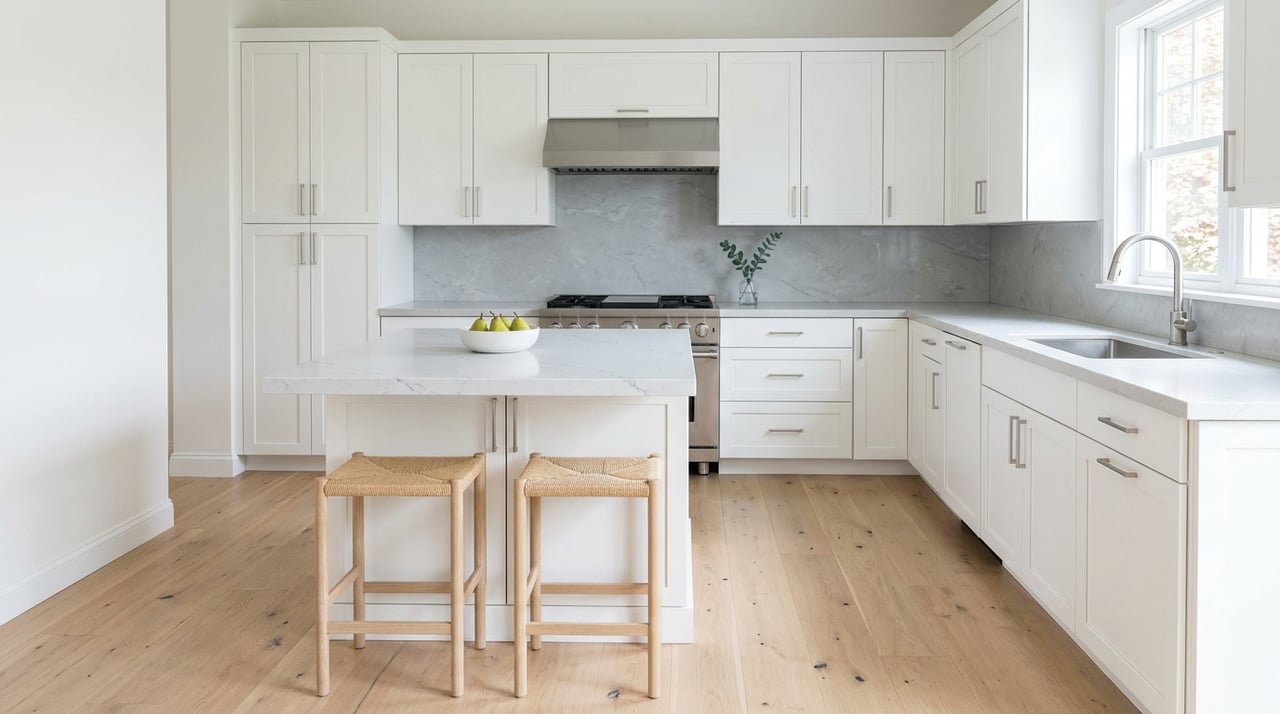
Staging does not always mean furnishing an empty house from scratch. Sometimes it means editing, rearranging, and styling what you already have so each room feels clear and purposeful.
According to the National Association of Realtors 2025 staging survey, 83% of buyers' agents say staging helps buyers visualize a home as their future home. The same survey found that the most commonly staged rooms are the living room, primary bedroom, and dining room.
If you are not staging every room, start with the spaces that shape the first impression and listing photos:
Keep styling simple. Think open surfaces, balanced furniture placement, fresh bedding, and enough space to move comfortably through the room.
If you are thinking about doing prep work beyond cosmetic touch-ups, pause and check Springfield Township permit rules first. The township enforces the Pennsylvania Uniform Construction Code locally, and permits are required for projects such as roofing, windows, siding, decks, sheds, pools, plumbing-fixture replacements, sanitary sewer repairs and replacements, electrical work, and HVAC work.
By contrast, painting, floorcoverings, tiling, fencing, and minor plumbing repairs are generally permit-exempt. This matters because unpermitted work can create delays, paperwork issues, or buyer questions once your home is under contract.
Before hiring anyone for bigger pre-listing work:
If you plan to use a pod for storage during decluttering, note that Springfield Township says pods require a permit. The township also says dumpsters and pods are not permitted in public rights-of-way.
Pre-listing cleanup often creates more yard waste and extra trash than usual. Springfield Township requires leaf waste to be separated from regular refuse and placed in biodegradable paper bags or bundled at the curb by 7:00 a.m. on collection day.
The township also requires refuse and recycling to be set out no earlier than 7:00 p.m. the evening before collection and no later than 7:00 a.m. on collection day. If you are doing a major cleanout, it helps to build these timelines into your prep calendar so your exterior stays neat during the listing period.
One of the smartest things you can do before listing is gather information early instead of scrambling once an offer comes in. Pennsylvania's Real Estate Seller Disclosure Law requires sellers to disclose known material defects by completing the property disclosure statement and delivering a signed, dated copy before the agreement of transfer is signed.
The statutory disclosure topics include items such as roof issues, basement and crawl-space issues, termites, structural problems, additions and remodeling, water and sewage, plumbing, heating and air conditioning, electrical, appliances, drainage and boundaries, hazardous substances, HOA issues, and title-related issues.
Reviewing disclosure items early helps you:
The law also says a seller's agent must advise the seller of responsibilities under the law and provide a copy of the disclosure form. That makes early coordination especially important.
If your home was built before 1978, federal lead rules may apply. Before a sale contract is signed, sellers must disclose known lead-based paint hazards, provide available records and the EPA pamphlet, include the required warning statement, and give buyers a 10-day inspection or risk-assessment window.
If any pre-listing prep work will disturb painted surfaces in a pre-1978 home, EPA guidance says renovation, repair, and painting projects that disturb lead-based paint must be performed by lead-safe certified contractors.
Radon is another item worth reviewing early. Pennsylvania DEP says radon is odorless and invisible, testing is the only way to know whether a home has elevated levels, and about 40% of homes tested in Pennsylvania are above the EPA action guideline of 4 pCi/L.
Consider whether you already have:
Having these items organized can make your listing process smoother and help you respond quickly once buyers begin asking questions.
If you bring in contractors for repairs, cleanup, or cosmetic work, take a little extra time to vet them. The FTC advises getting recommendations, verifying licenses and insurance, getting three written estimates, signing a written contract, and avoiding cash or wire-transfer payments.
That simple process can help protect your budget and timeline. It also reduces the risk of rushed work that creates more problems just as you are getting ready to list.
In Oreland, prep is not just about cleaning up the house. It is also about timing the work, understanding township rules, and launching with the right sequence.
A local agent can help you prioritize visible improvements, check whether permit-related work needs review, coordinate staging and photography after cleanup, and make sure disclosure, lead, and radon items are addressed before the listing goes live. With active competition in the market, that kind of planning can help you avoid delays and present your home at its best.
If you are getting ready to sell in Oreland, Michael Newns can help you build a practical prep plan, coordinate the steps, and bring your home to market with a clear strategy.


Get assistance in determining current property value, crafting a competitive offer, writing and negotiating a contract, and much more. Contact me today.