Selling An Older Home In Wyncote Without The Stress
July 2, 2026
July 2, 2026
If you are selling an older home in Wyncote, you may be wondering how to show its charm without getting buried in repairs, disclosures, and last-minute surprises. That concern is normal, especially in a community where many homes have real age and architectural character. The good news is that buyers in Wyncote already understand the appeal of older homes, and with the right plan, you can make the process feel much more manageable. Let’s dive in.
Wyncote is a community where long-term homeownership is common. About 68.1% of occupied homes are owner-occupied, and the area has a median home value of $470,100, according to Census Reporter. That kind of housing profile often means more sellers are preparing homes they have owned and cared for over many years.
The housing stock is also older than many nearby areas. Point2Homes reports a median construction year of 1951, with 37.8% of homes built in 1939 or earlier and another 8.9% built from 1940 to 1949. In other words, if you are selling an older home in Wyncote, you are not the exception. You are part of the local market.
That matters because buyers are not walking into Wyncote expecting brand-new construction on every block. They are often looking for space, established homes, and details that newer properties may not offer. Your goal is not to hide the home’s age. Your goal is to present it clearly and confidently.
One of the biggest mistakes sellers make with older homes is focusing too much on what is not new. In Wyncote, that can work against you. The area’s historic identity and architectural history give many homes a built-in story that buyers appreciate.
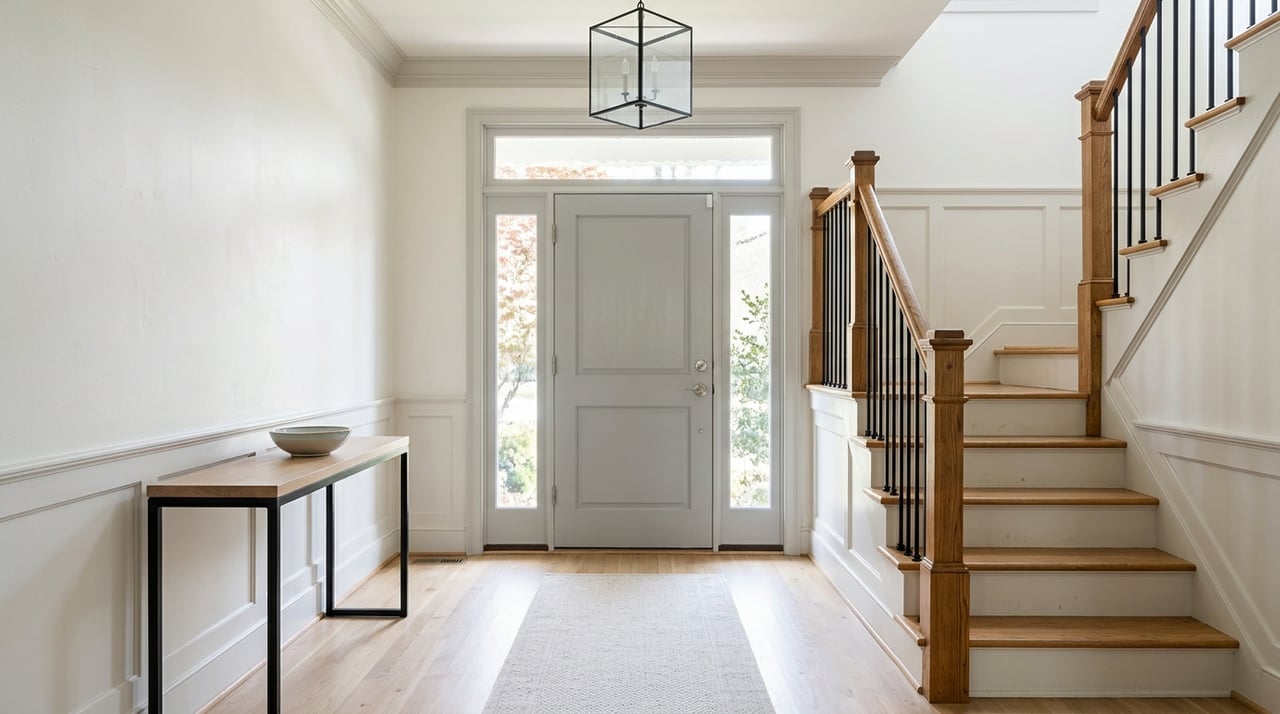
Wyncote’s National Register historic district is associated with Colonial Revival, Tudor Revival, and Queen Anne architecture, and Cheltenham Township identifies Wyncote as one of its two historic districts. That context can help shape how your home is marketed. Features like original woodwork, masonry, porches, and period proportions can be positioned as strengths.
If your home still has distinctive original details, make them visible. Clean them, highlight them, and let them stand out in photos and showings. Buyers are often more receptive when older features feel intentional and well cared for.
A stress-free sale usually does not come from doing a full renovation before listing. It usually comes from helping buyers feel that the home has been maintained. In a market like Wyncote, that matters more than trying to make an older home look brand new.
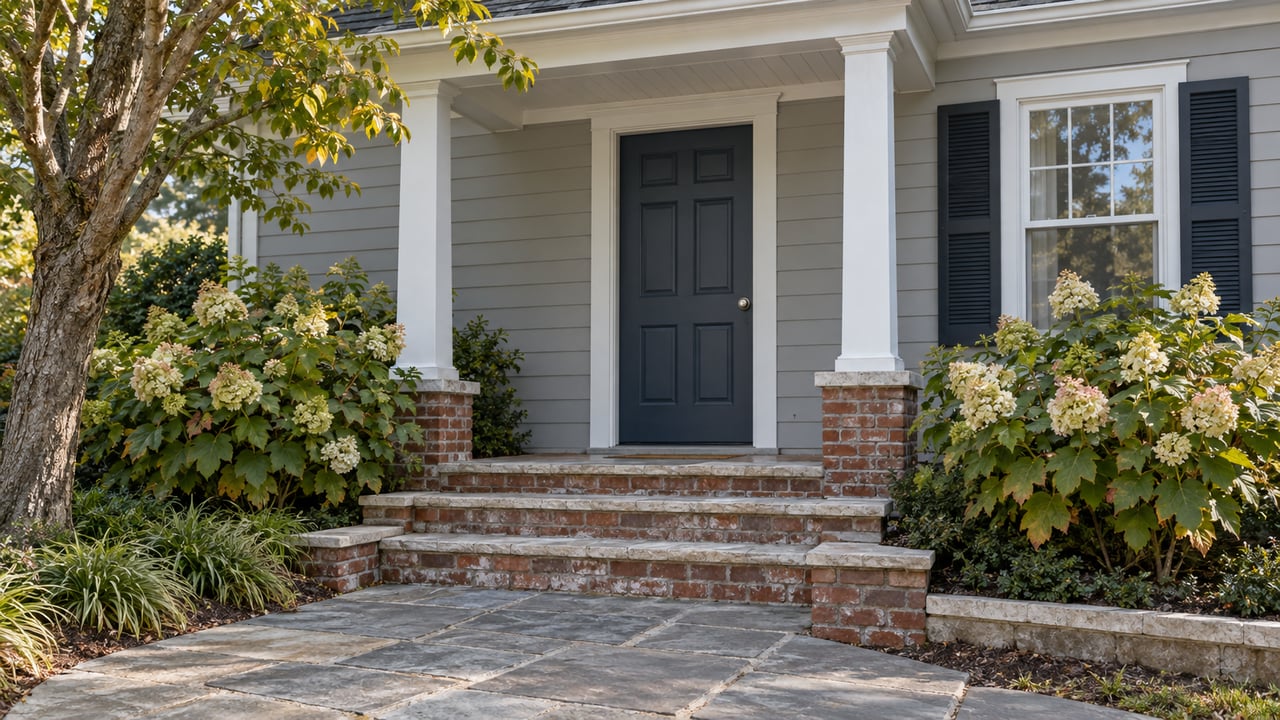
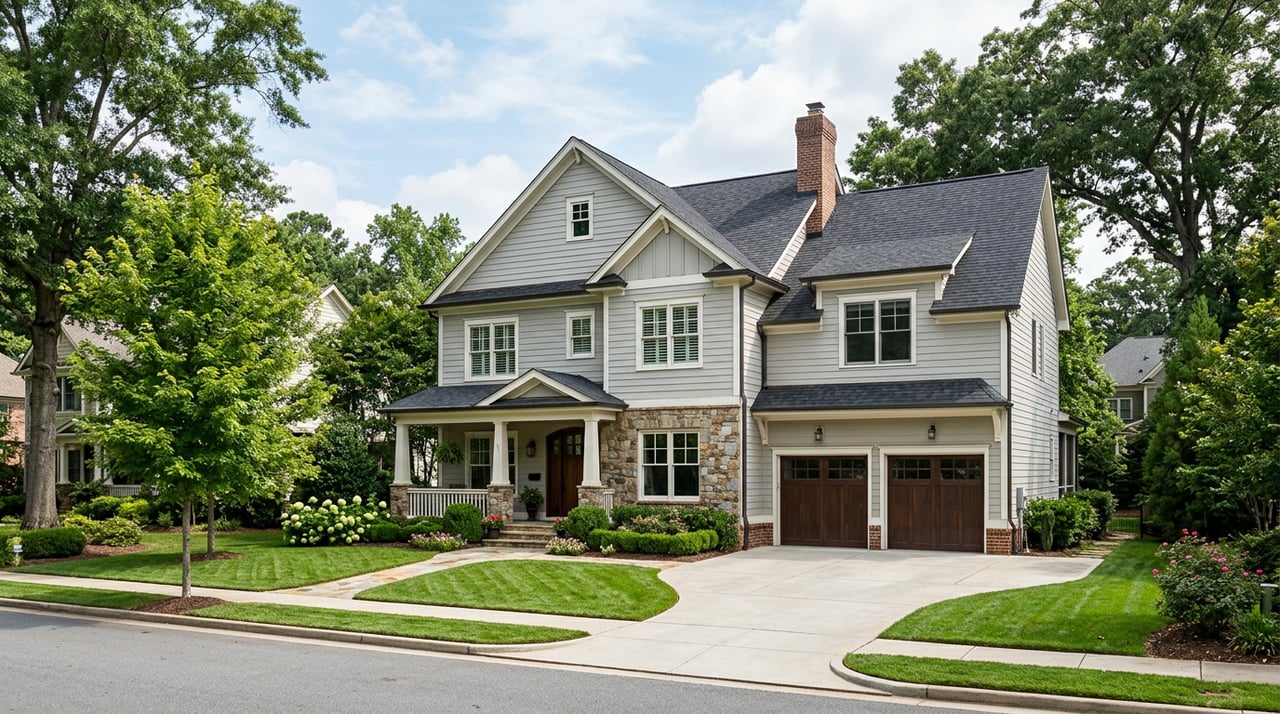
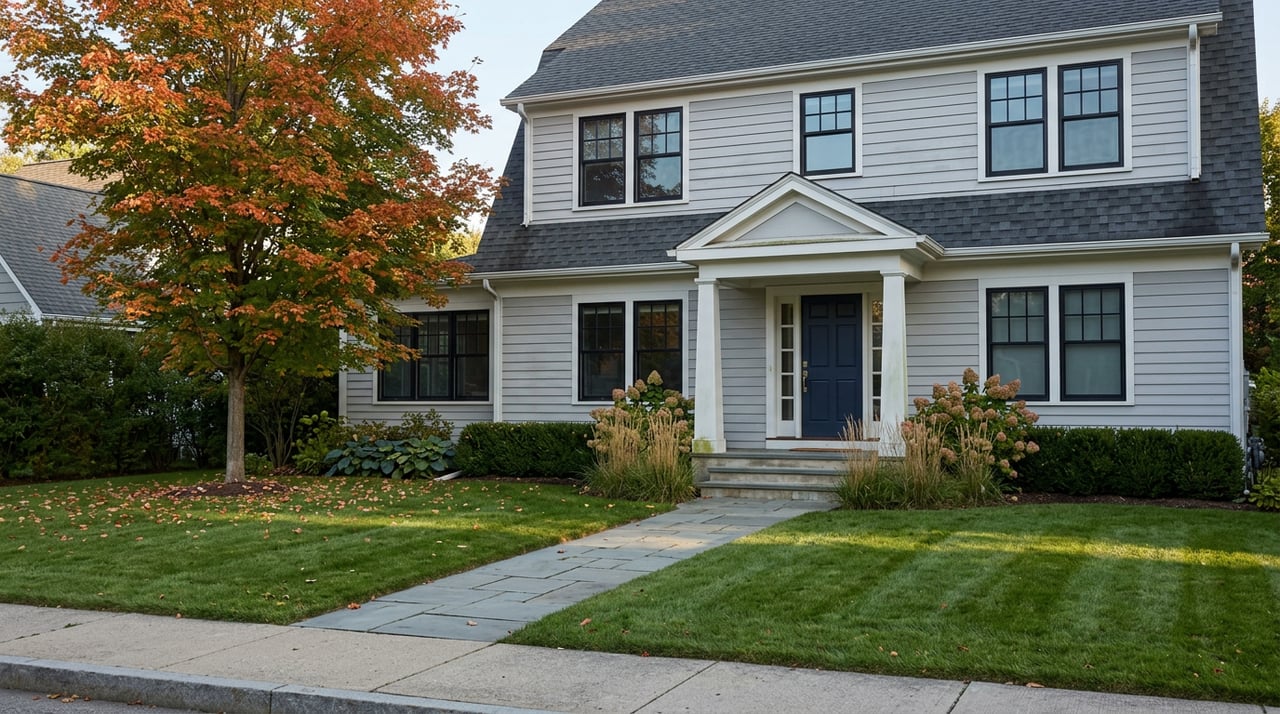
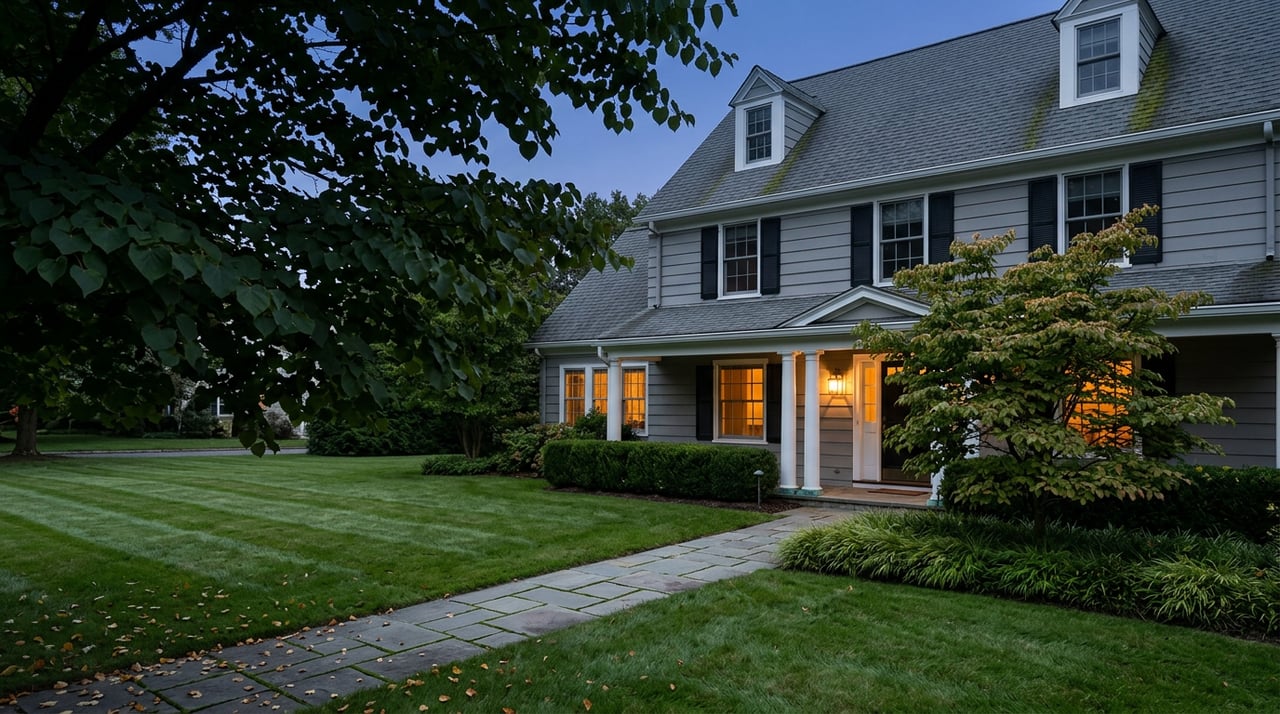
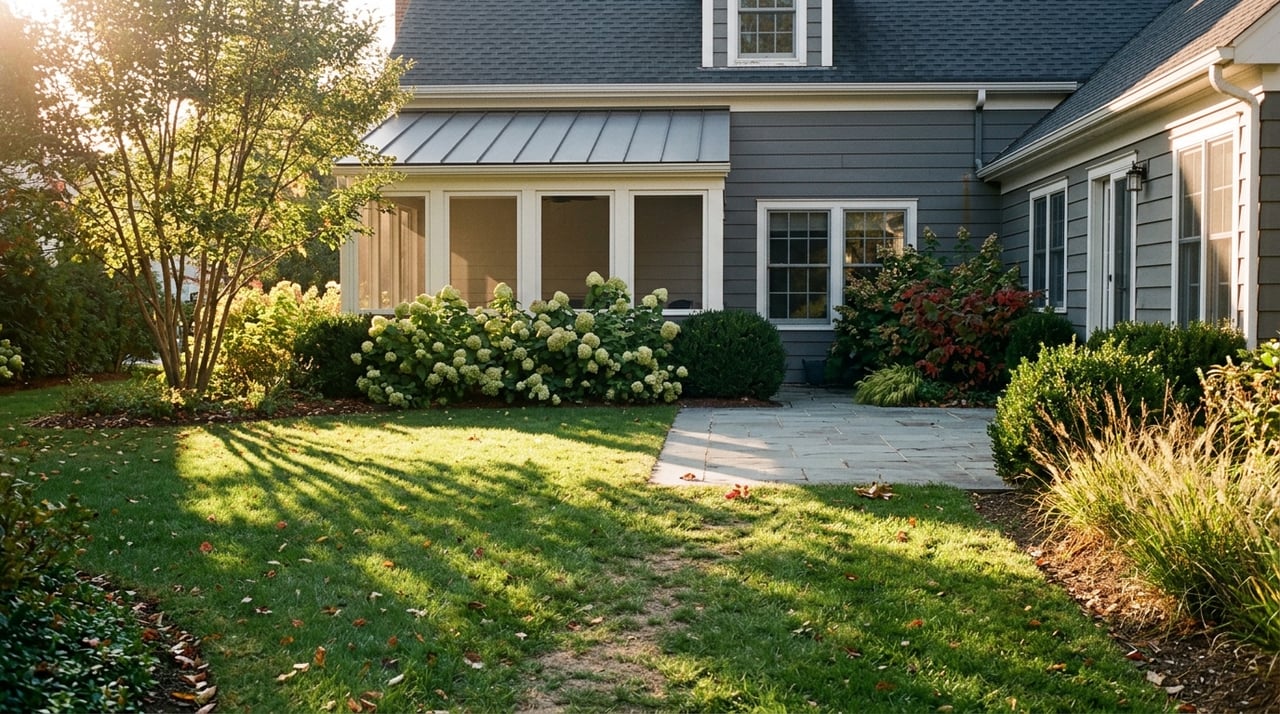
The most useful prep is often simple and practical. Decluttering, deep cleaning, brightening rooms, and improving curb appeal can go a long way. Small visible fixes can also reduce buyer hesitation because they make the home easier to understand.
In May 2026, Realtor.com described Wyncote as a seller’s market, with 28 homes for sale and median days on market of 23. That suggests there is demand, but it does not mean presentation stops mattering. A well-prepared home still has the best chance to attract serious interest quickly.
If your home is in Cheltenham Township’s Historical Architectural Review Overlay District, exterior alterations and certain permit applications may need review by the local Board of Historical and Architectural Review before building permits are granted. That can affect your timeline if you start a larger exterior project right before listing.
Cheltenham Township also states that routine repair, maintenance, or replacement in kind of exterior elements does not require a certificate of appropriateness. That is an important distinction. If you are trying to reduce stress, you may want to focus on maintenance and like-for-like repairs instead of more ambitious changes.
Before replacing exterior elements, changing materials, or starting visible work, it is wise to confirm whether local review rules apply. That quick step can help you avoid delays, redesign costs, or unnecessary frustration.
Even in a seller’s market, pricing an older home takes care and context. Realtor.com reported a median listing price of $562,450 in Wyncote in May 2026, compared with a median sold price of $450,000. That gap is a reminder that list price and sale price are not the same thing.
Older homes often vary widely based on condition, layout, maintenance, and preserved architectural features. Two homes on similar streets may not compete the same way if one feels move-in ready and the other feels like a project. Accurate pricing helps attract the right buyers early, which can reduce stress later.
A strong pricing strategy should reflect both the home’s character and its current condition. That balance can help you avoid overreaching at the start and chasing the market later.
For many sellers, disclosures are the part of the process that feels most intimidating. With an older home, buyers are likely to ask more questions about systems, repairs, and past issues. The good news is that clarity usually reduces stress, not increases it.
Pennsylvania’s Real Estate Seller Disclosure Law requires most residential sellers to disclose known material defects before the agreement of transfer is signed. The state form covers items like the roof, basements and crawl spaces, termites and wood-destroying insects, structural problems, additions and remodeling, water and sewage systems, plumbing, heating and air conditioning, electrical systems, hazardous substances, and legal issues affecting title or use.
The law does not require you to investigate beyond what you know. It does require that you avoid false or misleading statements and update information if it becomes inaccurate before settlement. For an older home, the best approach is to be plain, organized, and honest.
One simple way to make the sale feel less chaotic is to gather records before the home hits the market. If you have receipts, permits, contractor invoices, warranties, or maintenance notes, keep them in one place. Buyers often feel more comfortable when they can see a clear history of care.
This is especially helpful with older homes because buyers may assume the unknown is worse than the truth. When you can answer questions with dates and documentation, you reduce uncertainty. That can lead to smoother negotiations and fewer surprises during the transaction.
If you do not have every record, that is fine. Start with what you know and organize what you have.
A stress-free sale usually comes down to removing friction. That means the home should show well, the pricing should make sense, and the known facts should be easy to communicate. Buyers do not expect perfection from an older home, but they do want consistency between the listing, the showing, and the disclosure.
In Wyncote, that approach fits the market. Buyers are already seeing older homes, and many understand the tradeoff between character and modernization. When your home feels cared for and your communication is straightforward, you make it easier for buyers to say yes.
Selling an older home does not have to mean doing everything. It means doing the right things in the right order.
If you are getting ready to sell in Wyncote and want a practical plan that respects your home’s character, pricing, and timeline, Michael Newns can help you map out the next steps with clear, local guidance.
Get assistance in determining current property value, crafting a competitive offer, writing and negotiating a contract, and much more. Contact me today.