Wyncote Historic Homes & SEPTA Access Buyer Guide
March 24, 2026
March 24, 2026
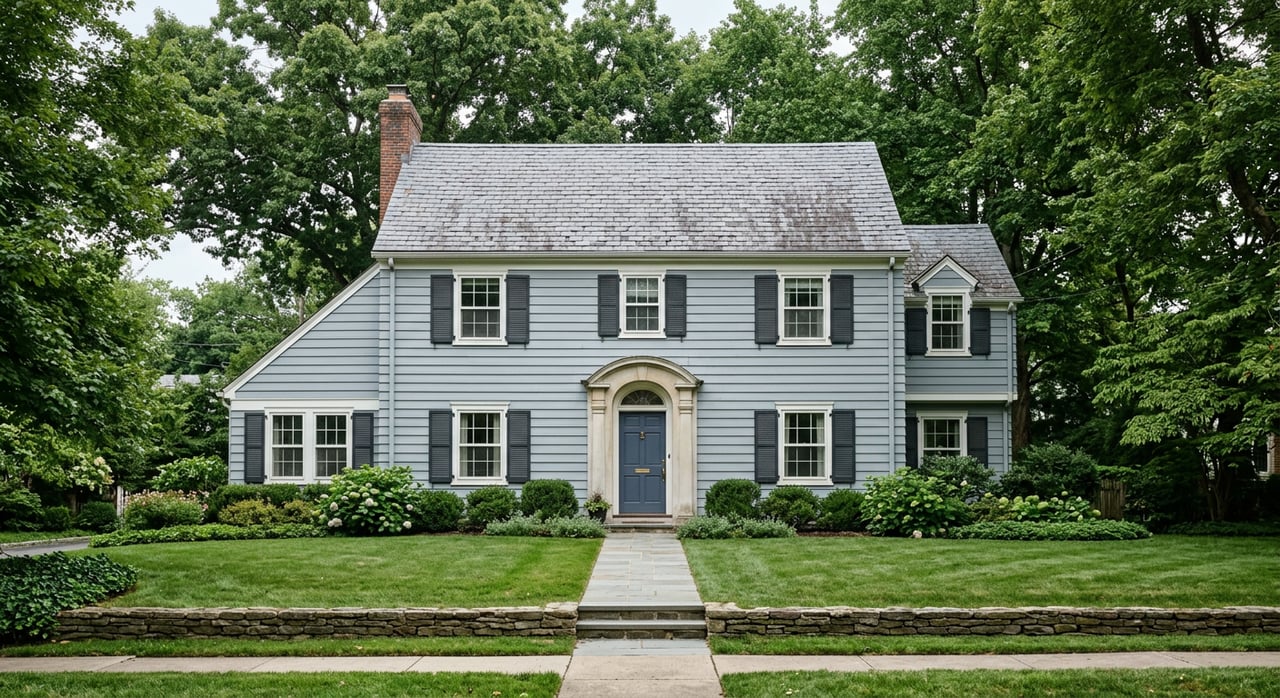
Love the idea of a classic Victorian or Tudor on a leafy street, but you also want a predictable train ride to Center City? In Wyncote, you can have both. If you are weighing character, commute, and budget, this guide will help you focus fast. You will learn what makes Wyncote’s historic homes special, how SEPTA access really works, what to inspect before you bid, and what recent price snapshots say. Let’s dive in.
Wyncote sits inside Cheltenham Township in Montgomery County, just north of Philadelphia. It developed as an early suburban community along the railroad, known for tree‑lined streets and well‑crafted homes. For a quick primer on place and context, see the overview for Wyncote’s setting and history on Wikipedia.
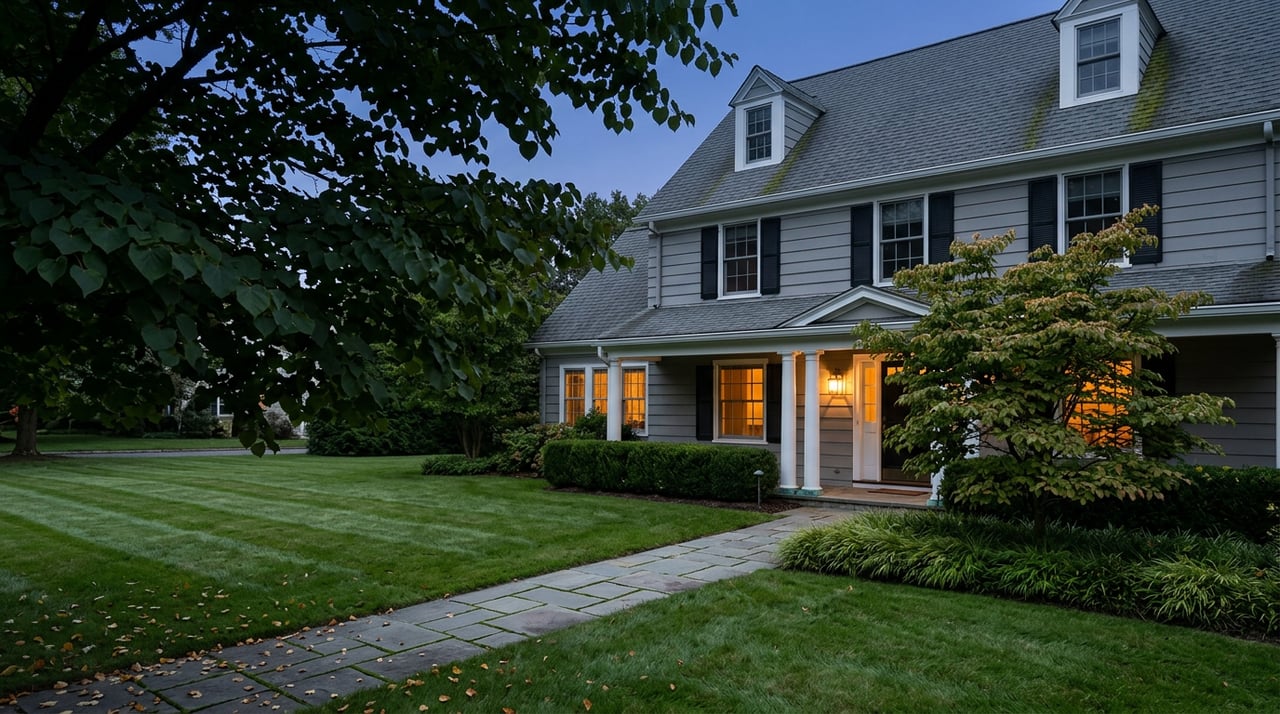
You will find generous shade trees and established landscapes throughout the neighborhood. A major local anchor is Curtis Arboretum, a public park on the former Cyrus H. Curtis estate with designed landscapes and open lawns. It helps define the park‑like feel many buyers seek.
The Wyncote Historic District is listed on the National Register of Historic Places. The district includes streets around Glenview Avenue, the railroad, Webster Avenue, and Church Road. Its period of significance runs from about 1865 to 1934, with many contributing buildings.
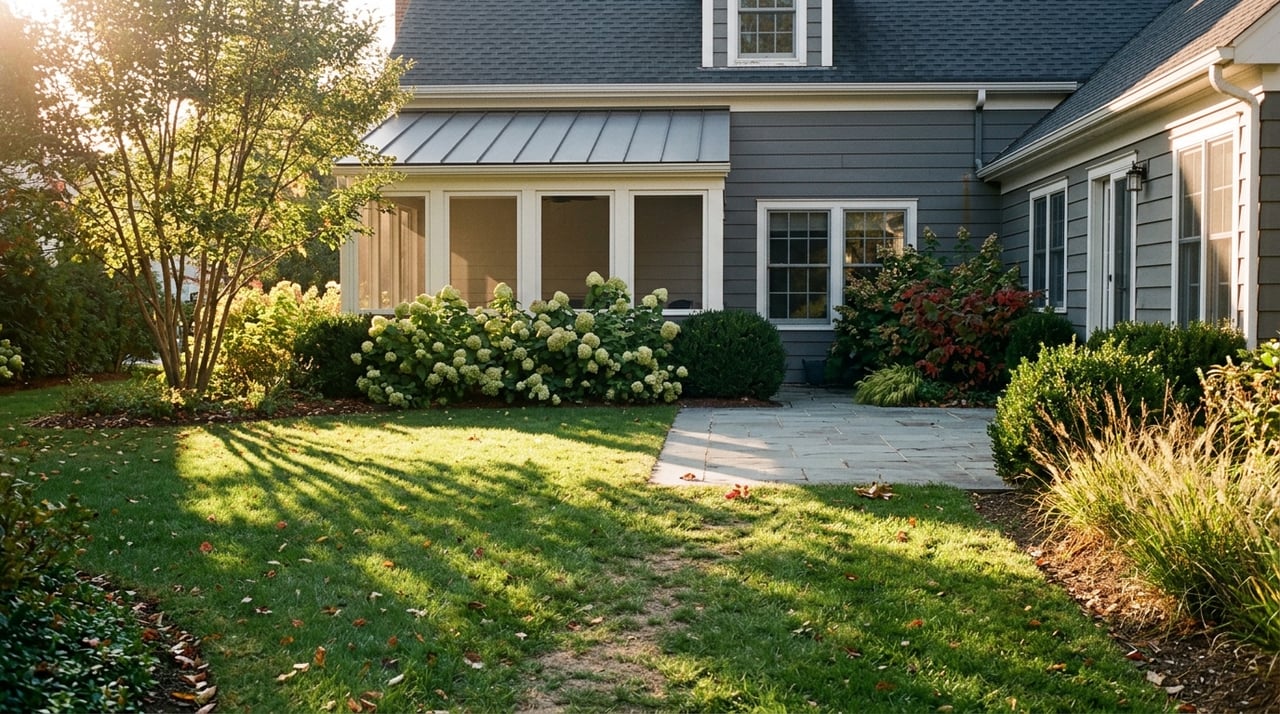
Expect late‑19th and early‑20th‑century architecture, including Queen Anne, Colonial Revival, and Tudor Revival. Many houses are 2½ stories in stone or wood, often set back on roomy lots with mature trees. You will also see some smaller twins and mid‑century homes on the edges. The district nomination on NPS NPGallery provides the most detailed overview.
Older Wyncote homes reward care and attention. Typical items to review include slate or wood roofs, masonry repointing, wood porch elements, original single‑pane windows, older plumbing, aging boilers or furnaces, and legacy electrical such as knob‑and‑tube. Homes built before 1978 likely contain lead‑based paint. If you plan work that disturbs paint, review the EPA’s Renovation, Repair and Painting (RRP) Rule and use lead‑safe certified contractors.
You can improve comfort without stripping original materials. Start with low‑risk, reversible steps: air sealing, attic and basement insulation, weatherstripping, and high‑quality storm windows over sound original sash. Consider HVAC zoning that minimizes new wall or plaster cuts. For practical how‑to guidance, see preservation briefs compiled by the National Park Service and National Trust, summarized in this technical guide library.
A National Register listing is largely honorific for private owners. Local rules in Cheltenham Township determine whether exterior changes need review. Before you design a project, confirm if your address is in a locally regulated district and what permits apply. Start with the township’s comprehensive plan and preservation context, then review Cheltenham’s design guidance summary and contact township preservation staff for current procedures.
The nearest major hub is Jenkintown–Wyncote on Greenwood Avenue. Multiple SEPTA Regional Rail lines stop here, including the Lansdale/Doylestown, Warminster, Airport, and West Trenton Lines. That mix boosts off‑peak options and gives you flexibility if one line has a delay. For station details and service overview, see SEPTA’s Jenkintown–Wyncote station page.
Depending on the train you choose, trips to Center City are often about 15 to 30 minutes. Expresses run faster than locals, and times vary by your specific downtown stop. Always confirm the schedule that matches your visit date using SEPTA’s current Regional Rail timetables.
SEPTA includes Jenkintown–Wyncote in its Station Accessibility Program. The project is in design, with construction scheduled in the 2025 to 2027 window and plans for high‑level platforms, a pedestrian overpass, and elevators. For updates and timelines, view SEPTA’s station improvements page.
In small markets like Wyncote, medians can swing month to month. Recent sources show a mid‑$400Ks range on average, with larger, restored historic homes often commanding more. Examples include a reported median sale price near $450,000 for February 2026, a home value index around $443,299 in late 2025, and a median list price near $512,500 in June 2025. Note the dates and differences in methodology when you compare numbers. Your street, lot size, condition, and specific features will drive value.
For buyers scanning Montgomery County, Wyncote often sits between higher‑priced inner suburbs and more car‑dependent outer areas. It offers strong rail access and classic architecture at a price point that is frequently more approachable than some Main Line pockets. If you want charm plus a manageable commute, it belongs on your shortlist.
If you are drawn to Wyncote’s architecture and want a clear plan for inspections, pricing, and commute checks, let’s talk. You will get hands‑on guidance, local insight, and a steady process from search to keys. Ready to see what is on the market and how to position your offer? Work with Michael Newns.
Get assistance in determining current property value, crafting a competitive offer, writing and negotiating a contract, and much more. Contact me today.